.png)
The Lens
J. Michael Walker,
Leading Creative Campaigns for Peninsula













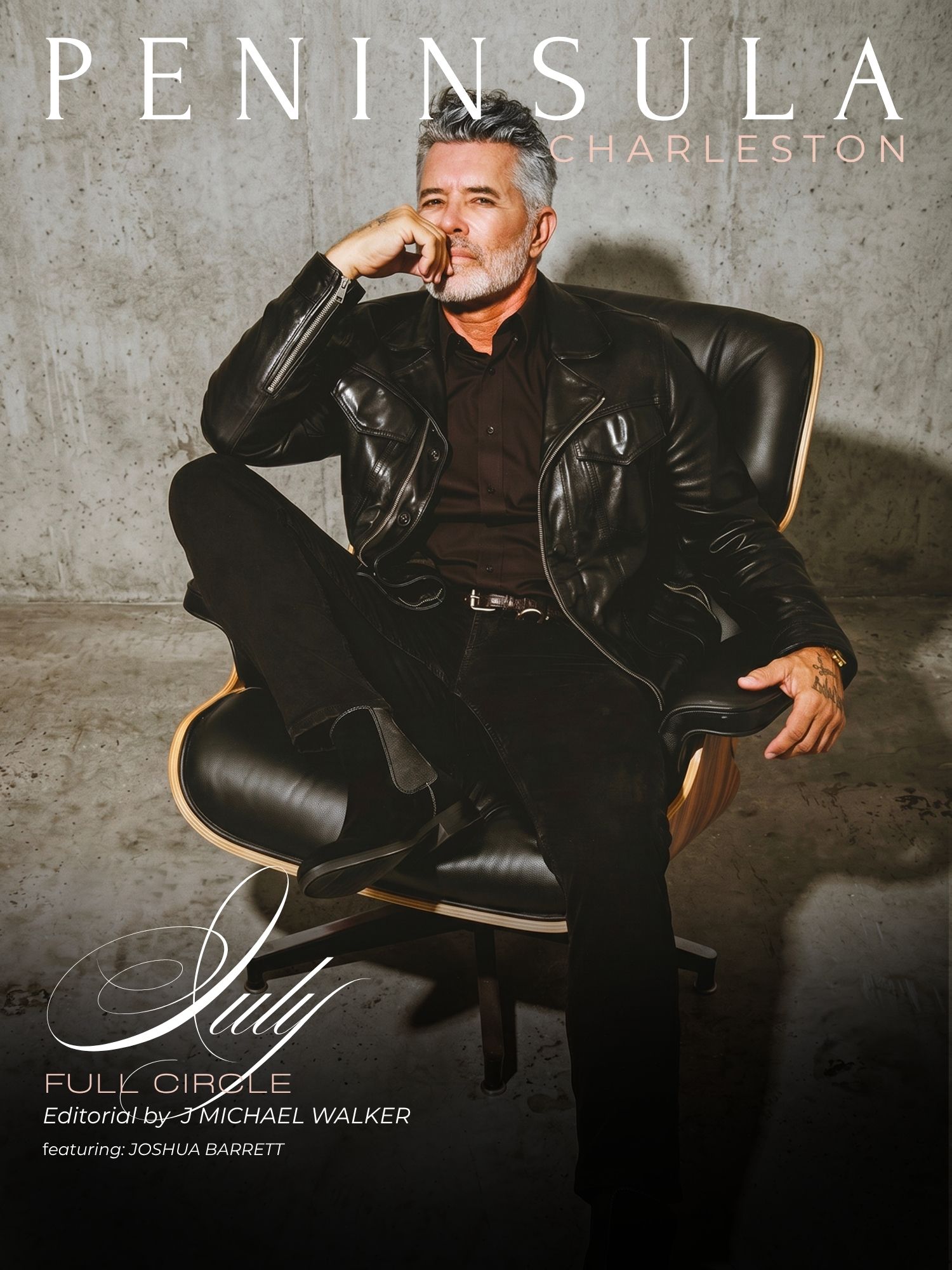
J Michael Editorials: Full Circle
JULY EDITION
“Design is not just what it looks like and feels like. Design is how it works, and for Peninsula, it’s how we come Full Circle.”
July Editorial — Full Circle
“You can always return to the soil that raised you, provided you are willing to plant something new.”
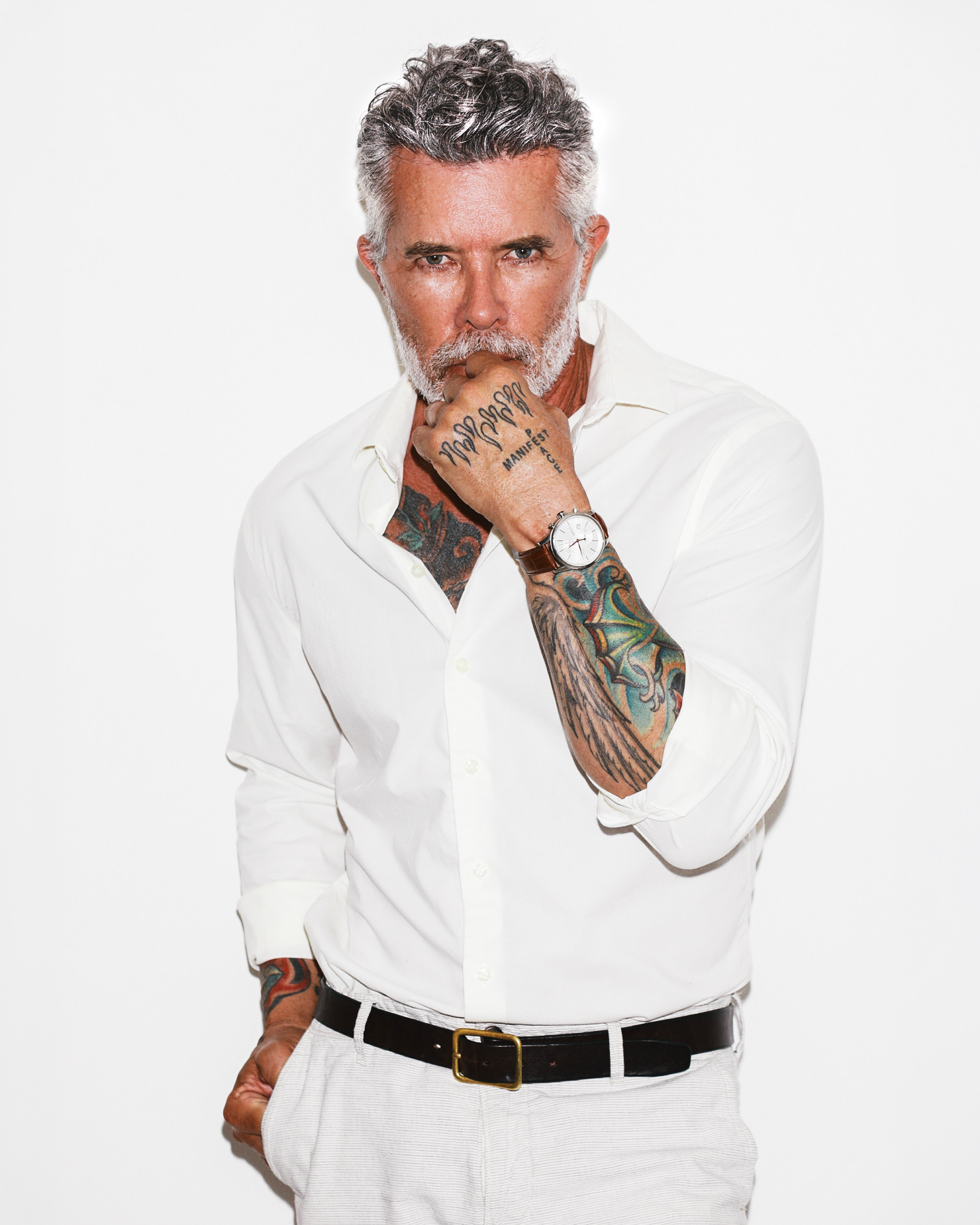
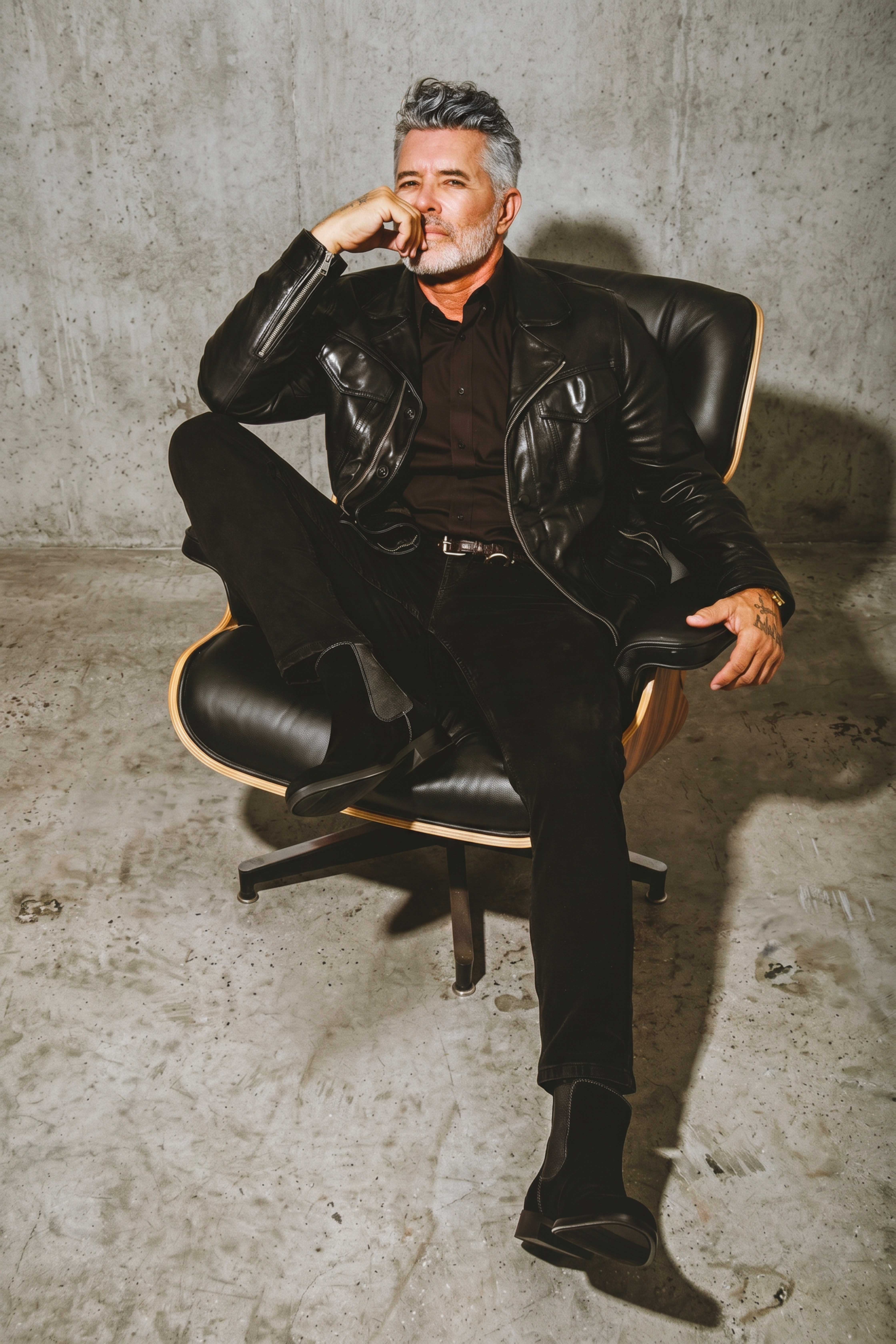
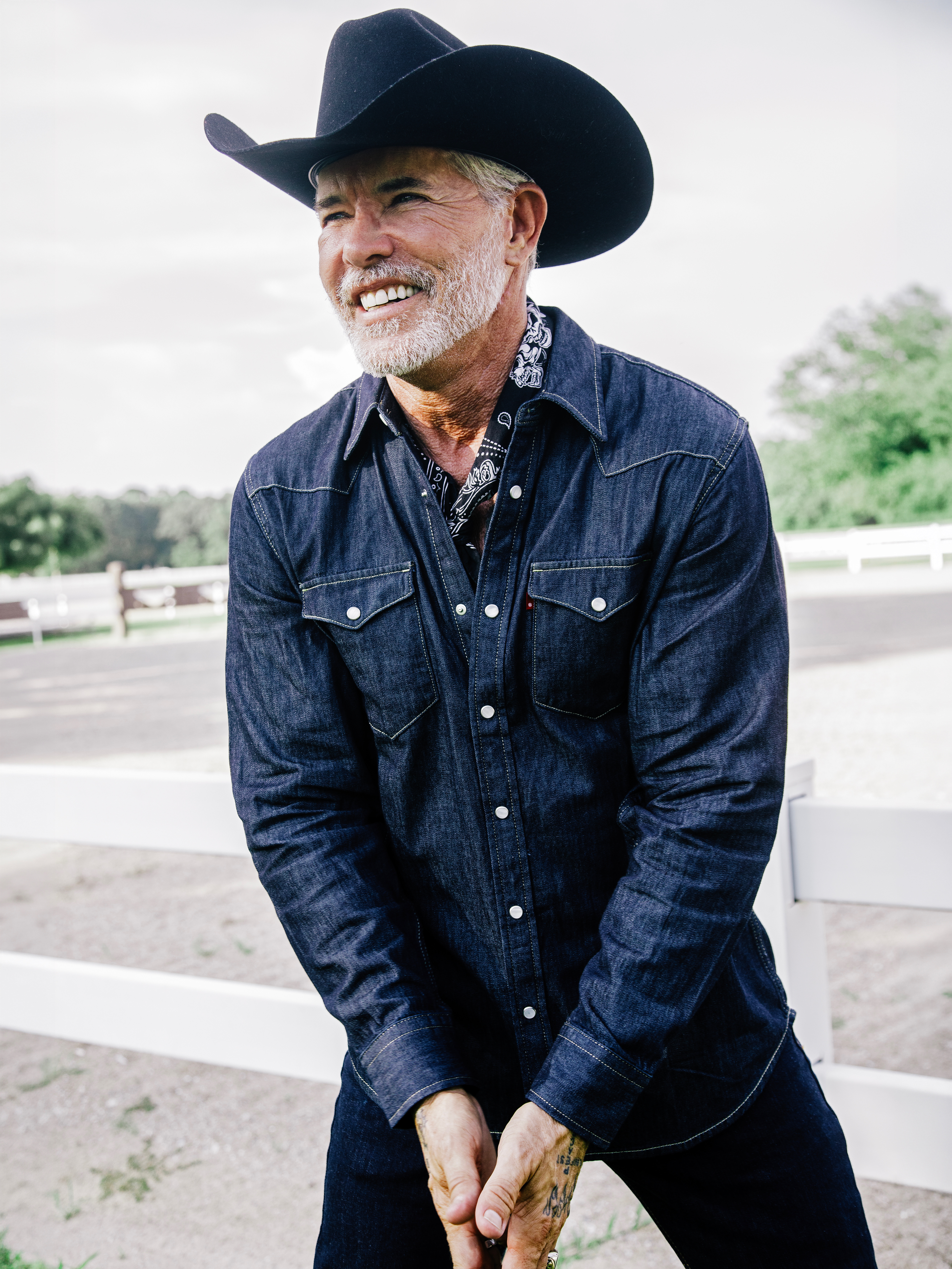
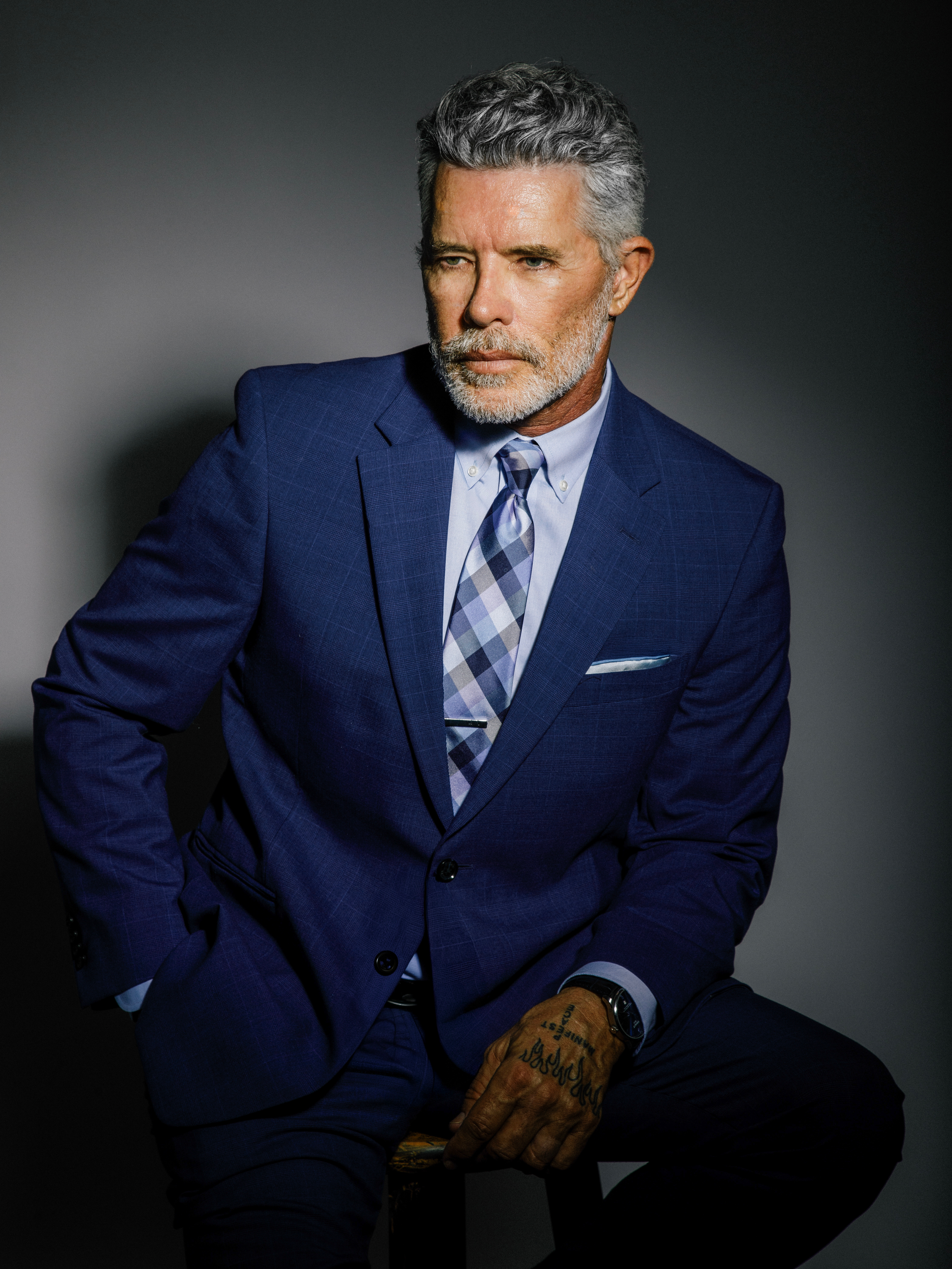
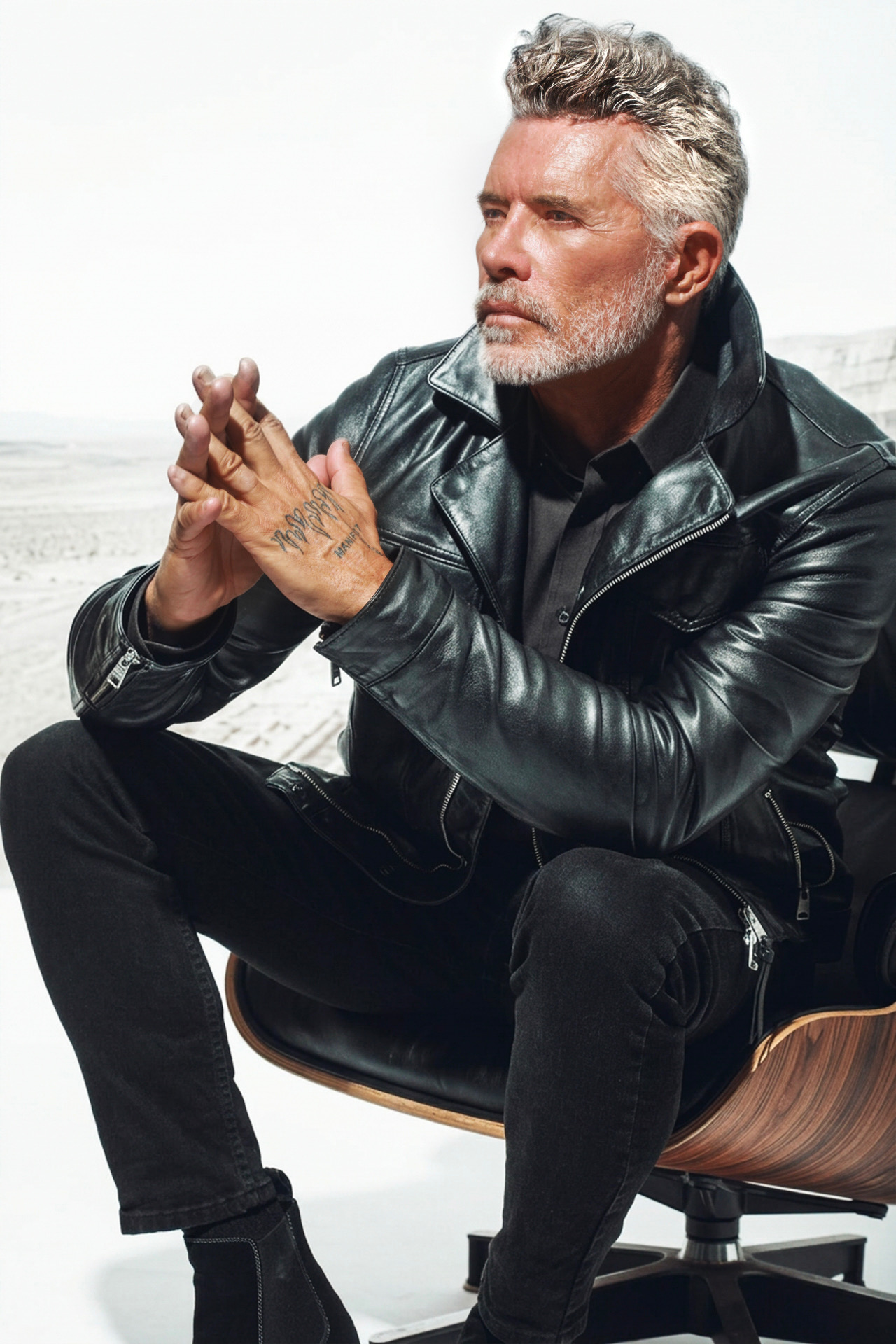
In the 1980s, Joshua Barrett traded the quiet predictability of rural Alabama for the glaring intensity of the global fashion apparatus. Rather than merely participating in the industry, he became an architect of its visual language. It was a pioneering era for menswear, and Joshua stood at the center of it, anchoring international campaigns for Armani across Milan and Paris.
Our paths intersected years later in Charleston through a local modeling agency, sparking a working partnership that eventually stretched from the Lowcountry to New York. Stepping onto a set with someone of his tenure offers an education in quiet authority. I have profound admiration for his ability to navigate and shape a notoriously capricious industry across multiple decades.
Eventually, the man in front of the camera decided to command the aesthetic from the other side. Transitioning from print work to the tactile discipline of a master colorist and celebrity stylist, Joshua spent years executing elite creative visions in New York, Miami, and Los Angeles. He had learned to understand proportion and style not just as a subject, but as a creator.
Today, that trajectory has brought him home. As the founder and chief executive of Joshua Barrett Salon in Oxford, Alabama, he is doing something rather subversive. He is importing the uncompromising luxury and exacting standards of premier fashion capitals directly back into the Calhoun County soil that first raised him. It is a return executed entirely on his own terms.
I sat down with Josh to discuss the mechanics of a career spent on both sides of the lens. We covered the realities of the early menswear industry, the psychology required behind the stylist chair, and his intentional decision to bring a lifetime of global aesthetic experience back to the South.
On Modeling and the Fashion Industry
J MICHAEL: You began your career as a print model in the 1980s and have worked globally alongside top designers. Could you name a few standout campaigns or specific photoshoots that fundamentally shaped your perspective on style?
JOSHUA: The one job that stands out the most was when I was booked to shoot a 50 page fashion spread in L’Official Homme for 14 days in Istanbul, Turkey after arriving in Paris after about 3 days from Milan. It was the shoot that launched my career in Europe at that time. Later in my career the Armani Underwear Campaign was a standout. Honestly there were so many amazing jobs and locations, it’s very hard to narrow down to a few.
J MICHAEL: Looking back at your most memorable print work, what was the most challenging or rewarding shoot you were a part of, and what made it so special?
JOSHUA: Most memorable would be working with Bruce Weber. In those days, it was the pinnacle of a male model’s career.
J MICHAEL: Having experienced the evolution of print modeling over the last few decades, how has the definition of a great photograph changed since you first stepped in front of the lens?
JOSHUA: I really don’t think the definition of a great photograph has changed really. The difference today is there is a lot of post manipulation of the images which sometimes can be good but at times I think it can be overproduced. Back in the day, you had to get it on film and that was it. It was such a different process. I think the final product is what matters and when people see it everyone knows what a great photograph is for models. Their job is to convey a sense of feeling and style to connect with the viewer.
J MICHAEL: When you are being photographed today, how does your background as a stylist influence the way you position yourself and interact with the camera?
JOSHUA: Being a stylist is completely different than being a model and being in front of the camera. Because I am a stylist, I am aware once I see the images of the proportion and how everything looks.
On Hairstyling and Creative Vision
J MICHAEL: You spent years working in New York, Miami, and Los Angeles with celebrity clients and film professionals. What is the most valuable lesson you learned in those high pressure environments that you still apply today?
JOSHUA: The most valuable lesson I learned from all those experiences that I still carry with me today is you always need to be professional and do your best. Attention to detail is very important when you work on that level.
J MICHAEL: Hair is such a personal aspect of identity. How do you balance a client's personal vision with your own artistic expertise when they sit in your chair?
JOSHUA: Usually clients end up in my chair because of my reputation. Many of them are aware of my background in fashion, and they know that I have an eye for beautiful things. We work together, blending their ideas and mine to create a great outcome.
J MICHAEL: You are known as a Master Colorist. What inspires your color palettes, and how do you approach creating a look that feels both timeless and modern?
JOSH: I would say my color palette is definitely classic. I am inspired by the beautiful tones and colors of children’s hair.
On Returning to Alabama and Business Leadership
J MICHAEL: After living in some of the most prominent fashion capitals in the world, what inspired you to bring your talents back to Calhoun County and open Joshua Barrett Salon?
JOSHUA: It was family that brought me back to my hometown. I came here during Covid and I looked around the area and I saw that there was a need for what I could bring to this market. I have always said just because I’m in a small town doesn’t mean that the women here don’t want to look beautiful and feel amazing like the women in New York, Miami, and Los Angeles. I opened up my salon to bring that aesthetic to the area.
J MICHAEL: As the Founder and CEO of your own luxury salon, what is the core philosophy you instill in your team to ensure every client receives a premier experience?
JOSHUA: Our philosophy is built around excellent customer service and expert hair services. We want everyone who comes to our salon to feel like a celebrity. Even if it’s only for a couple of hours, I want my clients to feel like a movie star when they’re in my chair and in my salon.
A: The print edition will be a tangible extension of these editorials. We are treating each page like a piece of art, ensuring the tactile experience matches the high-quality visual content we produce digitally.
JUNE EDITION
J Michael Editorials: Tacking Into the Wind
“In the navigation of luxury, we often find that the most beautiful route is not a straight line, but the art of Tacking Into the Wind.”
TACKING INTO THE WIND
by J Michael Walker
There is a line in the 1996 film White Squall that has always felt less like cinematic dialogue and more like a permanent mandate: "You can't run from the wind."
At 24 years old, miles off the coast of South Florida on a 34-foot sailboat, I learned exactly what that meant in practice. The sky had bruised to the color of crushed plums, the barometer plummeted, and a sudden, violent squall swallowed the horizon. It is a terrifying, visceral clarity: caught alone in the chaos, you realize that the cavalry isn't coming, and no one is going to save you. That is where the boy dies and the man is measured. When a storm of that magnitude hits, human instinct screams at you to flee, to let the wind push you, to outrun the threat. But running downwind only guarantees a total loss of control. To survive, you must do the exact opposite of what fear dictates. You must turn the bow directly into the gale, harness its violent energy, and let it pull you forward.
That philosophy eventually catalyzed the greatest pivot of my professional life.
For years, I inhabited the safe, predictable world of corporate marketing. It was a secure harbor, but profoundly quiet. Since 2010, the camera had been my true obsession, a shadow career that consumed my weekends, my thoughts, and my creative bandwidth. Eventually, the friction between the life I was living and the art I was compelled to make birthed a storm of its own. I realized that playing it safe was simply running downwind. To construct the uncompromising, cinematic architecture I saw in my mind, I had to stop avoiding the resistance. I left the boardroom behind, picked up the camera full-time, and faced the music.
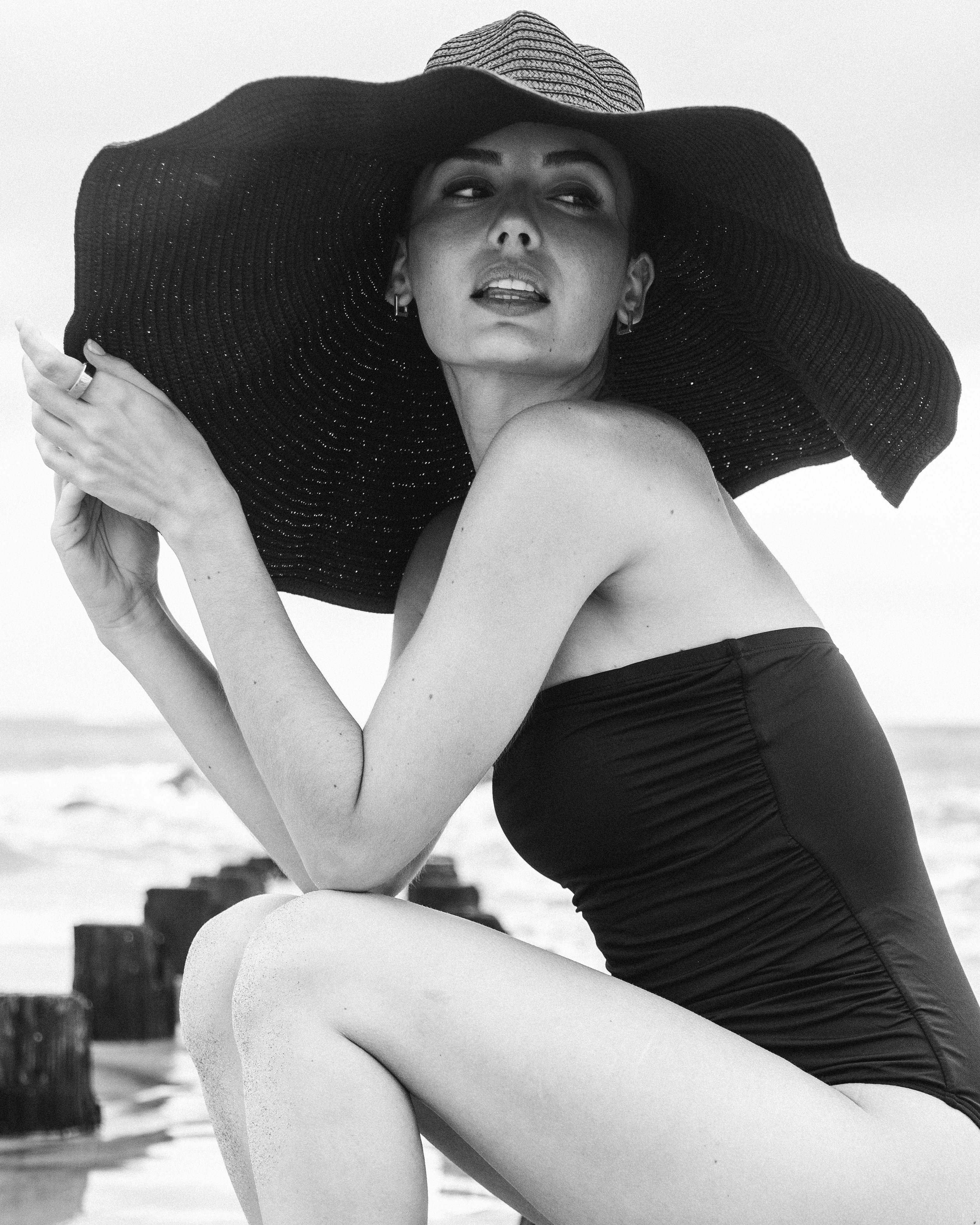
Which brings us to the coast and the images featured in this Charleston lifestyle editorial for Peninsula Magazine.
When my team and I arrived on the beach to shoot this debut editorial photography spread, the Atlantic was in a foul mood. We were greeted by a relentless, heavy gale and a thick, slate-gray sky that entirely swallowed the sun. On a standard commercial set, this is the precise moment the producer calls it. You pack the trucks, retreat to the sanitized safety of the studio, and wait for a docile, sun-drenched afternoon.
But true editorial work is not born in captivity. You can't run from the wind. You embrace it.
Instead of fighting the environment, we let the gale act as our art director. The heavy gusts caught the garments, whipping the fabric into sweeping, architectural silhouettes and a violent, organic tension that no studio fan could ever simulate. The overcast sky became a massive, natural softbox, wrapping the talent in a moody, cinematic silver light. We leaned into the salt and the grit. The result is a study in raw, unbothered elegance. It is stark, high-contrast, and fiercely alive.
As I step into my role here at Peninsula Magazine, this is the visual manifesto we are establishing. We have zero interest in the perfectly posed, the sanitized, or the artificially constructed. We are chasing the profound, the cinematic, and the real.
Because the perfect frame is rarely found by controlling your environment. It is found by walking straight into the storm, lifting the lens, and capturing the beauty of the chaos.
On Navigation and Strategy
J MICHAEL: This month, our theme is nautical strategy. How do you apply the concept of 'tacking into the wind' to your business operations when market conditions become challenging?
JOSHUA: In business, just as on the water, you cannot always rely on the breeze to be at your back. Tacking is about being observant. When I sense a shift in client needs or the economic climate, I don't stop; I pivot. This agility is what keeps a brand relevant. It’s about leveraging the very challenges that would stop others and using them to gain momentum.
J MICHAEL: What has been the most significant 'pivot' you've had to make in your creative career, and what did it reveal to you about your own resilience?
JOSHUA: Transitioning from purely aesthetic work to business leadership was my most significant tack. It forced me to look at structure and numbers with the same creative intensity I used for color and form. It taught me that resilience is not just surviving the wind, but understanding how to use it.
On the Aesthetic of Movement
J MICHAEL: Nautical design often bridges the gap between high function and high luxury. How does this interdisciplinary approach influence your specific creative process?
JOSHUA: There is a beauty in utility. When I design a space or a look, I ask myself: 'Does this hold up under pressure?' True luxury shouldn't be fragile. It should be capable. That’s why I’m drawn to the nautical aesthetic—brass, teak, and canvas aren't just for show; they are built for the journey.
J MICHAEL: How do you maintain a consistent artistic voice when you are constantly adjusting your strategy to meet new demands?
JOSH: Your voice is your North Star. Even as you tack—moving left, then right, then left again—your eyes are always on that same point. Consistency isn't about standing still; it's about constant alignment with your core values.
As we navigate the rest of this season, we invite you to look at your own sails. Are you waiting for the wind to change, or are you ready to tack? The print edition, arriving this fall, will further explore these themes with a deeper dive into the maritime history of the Peninsula.