.png)
Charleston Artist
Susanna Walden
“The more intentional time I spend with a painting, the more I recognize what it’s supposed to be rather than what I thought it should be.”
Susanna Walden
There is a difference between making a painting and listening to one.
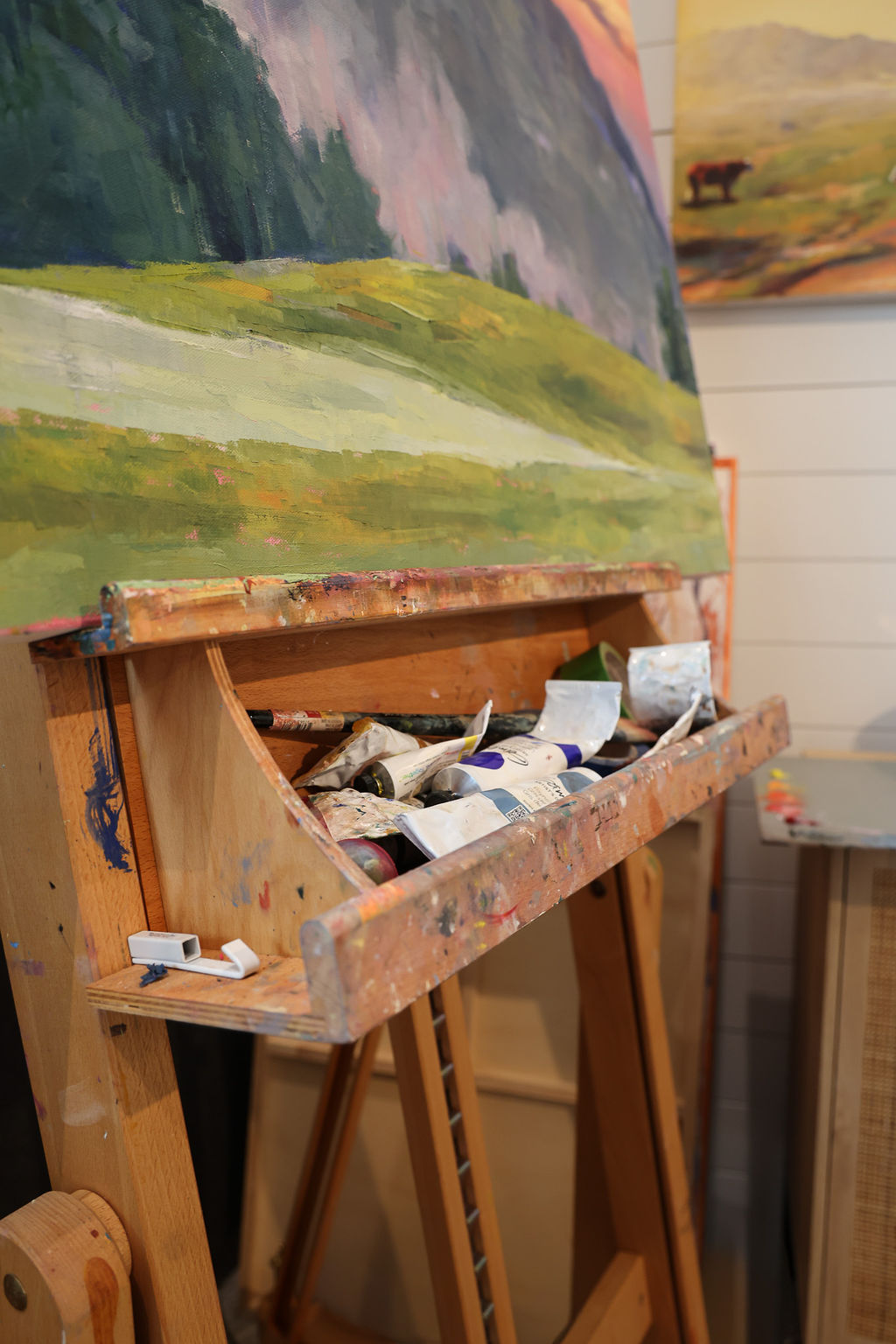
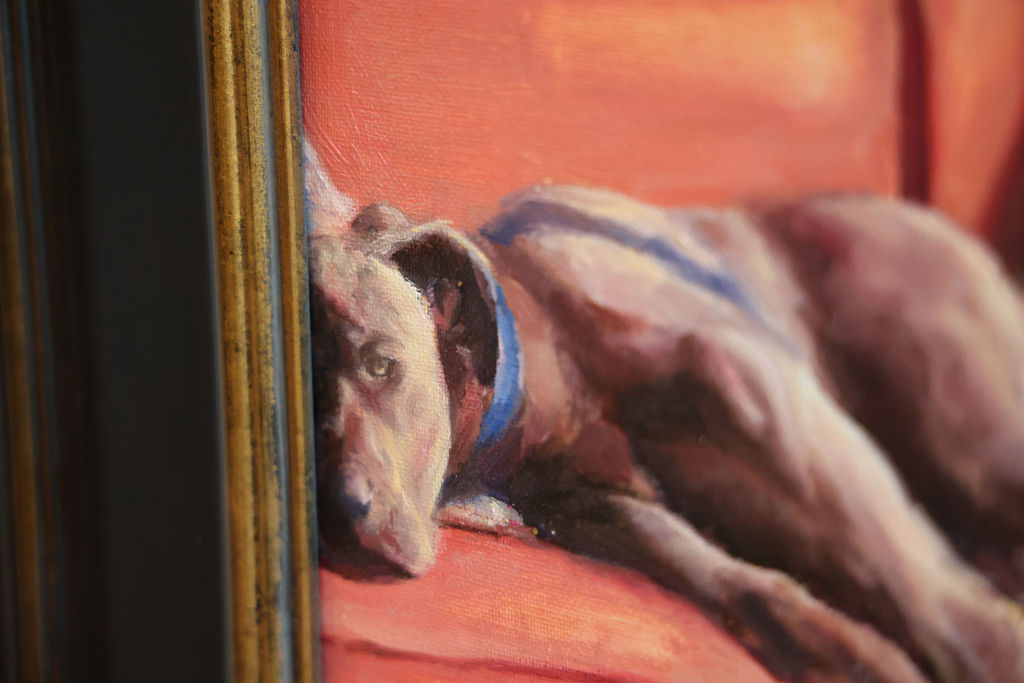
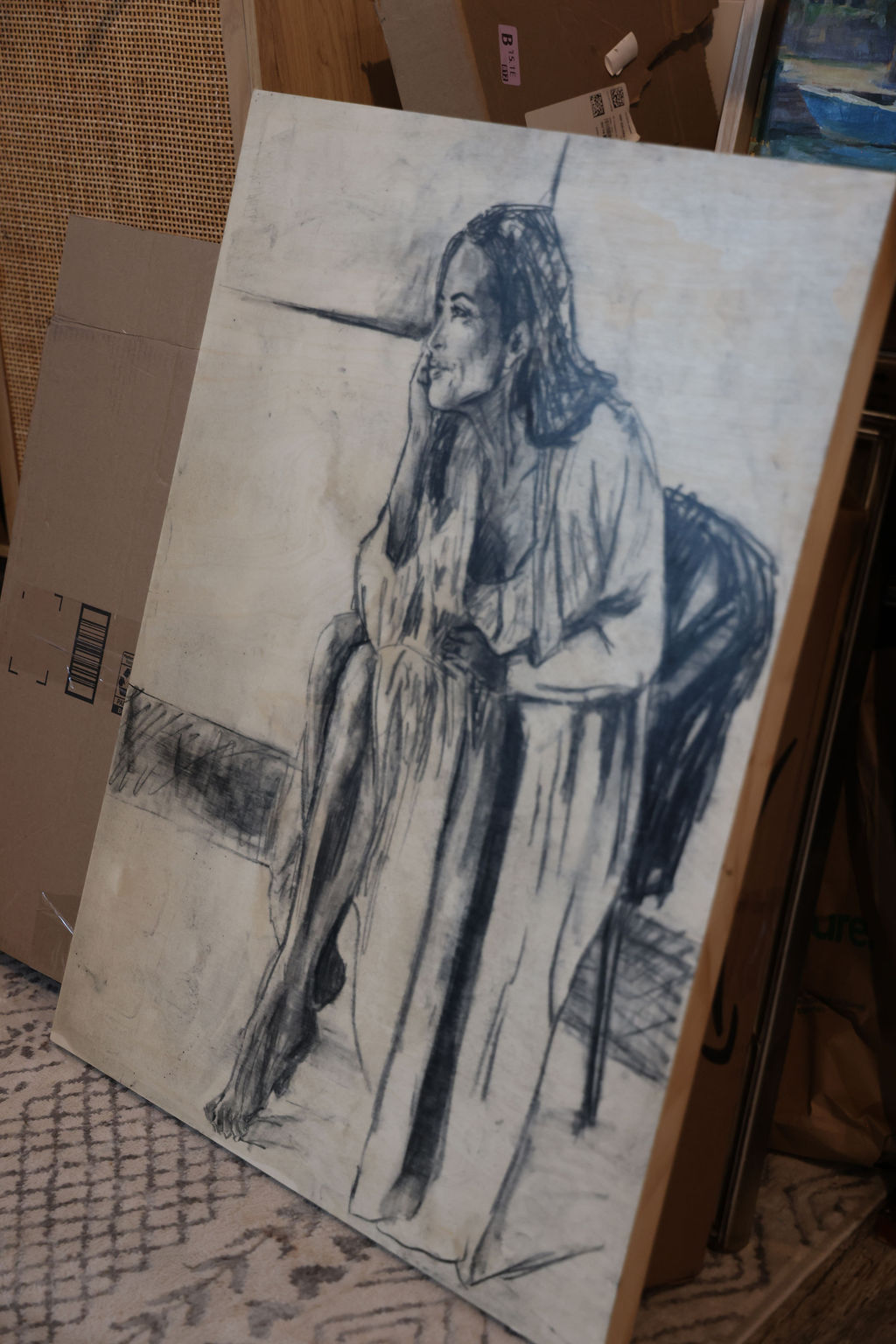
For Charleston artist Susanna Walden, whose studio is at Meyer Vogl Gallery, the canvas is not a place to prove an idea it is a place to discover one. Her work moves effortlessly between portraiture, abstraction, and the Lowcountry landscape, yet each painting begins the same way: with curiosity. She follows light, expression, movement, and feeling, trusting that the work will reveal itself only through time and attention.
What makes Walden’s practice so compelling is her willingness to let go. Old canvases become new beginnings. Paintings evolve through bold decisions rather than precious ones. She speaks of detachment with the same confidence she speaks of discipline, reminding us that growth rarely comes from preserving what is comfortable.
Throughout our conversation, one theme surfaced again and again: the quiet confidence that comes from staying open. Open to experimentation. Open to failure. Open to the possibility that the painting knows where it wants to go before the artist does.
In this month’s edition of The Salon, Susanna
Walden invites us into that process a practice built not on certainty, but on curiosity, discipline, and the courage to keep looking.
Christina: You describe your practice as being built on curiosity. When you’re in the studio, what does curiosity actually feel like for you not intellectually, but physically or emotionally? What pulls you back in?
Susanna: It sounds a bit dramatic, but when I’m really inspired, I feel like an athlete in the locker room before a big game. My heart is racing, but my breathing is steady. My mind is extremely focused. I disappear from the outside world.
Christina: Your work moves between landscapes, portraits, and abstraction, but it always feels anchored in something fleeting. What are you ultimately trying to hold onto in those moments before they disappear?
Susanna: I’m holding onto moments and trying
to explain them in a single frame. If I look at an amazing sky and feel amazed, then I want to communicate that energy in my work. If I see curiosity or mischievousness in a child’s eyes, I want to pinpoint the brief micro expressions that allow the world to read what they’re thinking.
Christina: There’s something intimate about the way you return to old canvases and rework them. Does it ever feel emotional to cover something you once committed to, or has it become a kind of language in itself?
Susanna: No. I’ve spent more than 50 hours on paintings that I end up painting over. Just as in life, there is power and peace in knowing when to detach.
Christina: When you paint over something, are you listening to what’s already there beneath the surface, or are you intentionally quieting it so something new can speak?
Susanna: I’m definitely quieting it. It’s a lot harder to paint over the noise of a previous painting.
Christina: Do you ever fall in love with a painting at a stage you know won’t survive the final version, and how do you let go of that version of it?
Susanna: Growing up in the Midwest, I learned how to jump into very cold water. My tactic was to count to three and get my head underwater before my brain had time to convince me of the cold. I use that mentality for painting over old paintings. Once I make that first bold stroke, there’s no going back, so I may as well keep swimming!
Christina: Your work carries a balance between control and surrender. Where do you feel that tension most honestly in your process?
Susanna: Eliminating the fear of failure allows
for surrender. So long as I’m intentional, I don’t care if I try something and it doesn’t work out. Control comes from practice, something I do constantly.
Christina: When a painting isn’t working yet, how do you know whether to push through it or step away and begin again?
Susanna: Often, I will hang it on a wall and start a new painting. I can get blinded if I’m too invested in making a painting “work.” If I take a step back, I can usually see the answer more clearly.
Christina: Have you noticed certain emotions that surface in you while you’re working before, you’re even aware they’ve made it onto the canvas?
Susanna: Yes, particularly when I’m doing portraits. I find myself feeling whatever feeling I imagine my subject is feeling. If I’m painting someone laughing, I’m smiling and laughing right there with them. Painting an athlete on game day? I’m listening to Eye of the Tiger with flared nostrils, brush in hand. When that kicks in, I know it’s being captured on canvas.
Christina: Charleston has such a specific softness of light and atmosphere. How has living here shaped the emotional tone or rhythm of your work?
Susanna: There is such an appreciation for art and culture in Charleston, and, for me, it’s always felt like home. It’s allowed for a confidence that I don’t think I could have achieved elsewhere.
Christina: When someone stands in front of
your paintings, what do you hope they feel first before they begin to interpret or analyze anything?
Susanna: I simply want them to feel. If someoneooks at a painting and it makes them feel anything at all, that’s a successful painting. My favorite response might be when someone says, “I don’t know why, but this makes me happy.” Who doesn’t want to make someone else happy?
Susanna: I believe in failing fast and failing well. I try to quickly recognize when something isn’t working and either move on or turn it into intentional practice so I can gain knowledge as opposed to disappointment.