.png)

Inside the World of James Pratt
The Actor, Director, & Producer Redefining Hollywood on His Own Terms

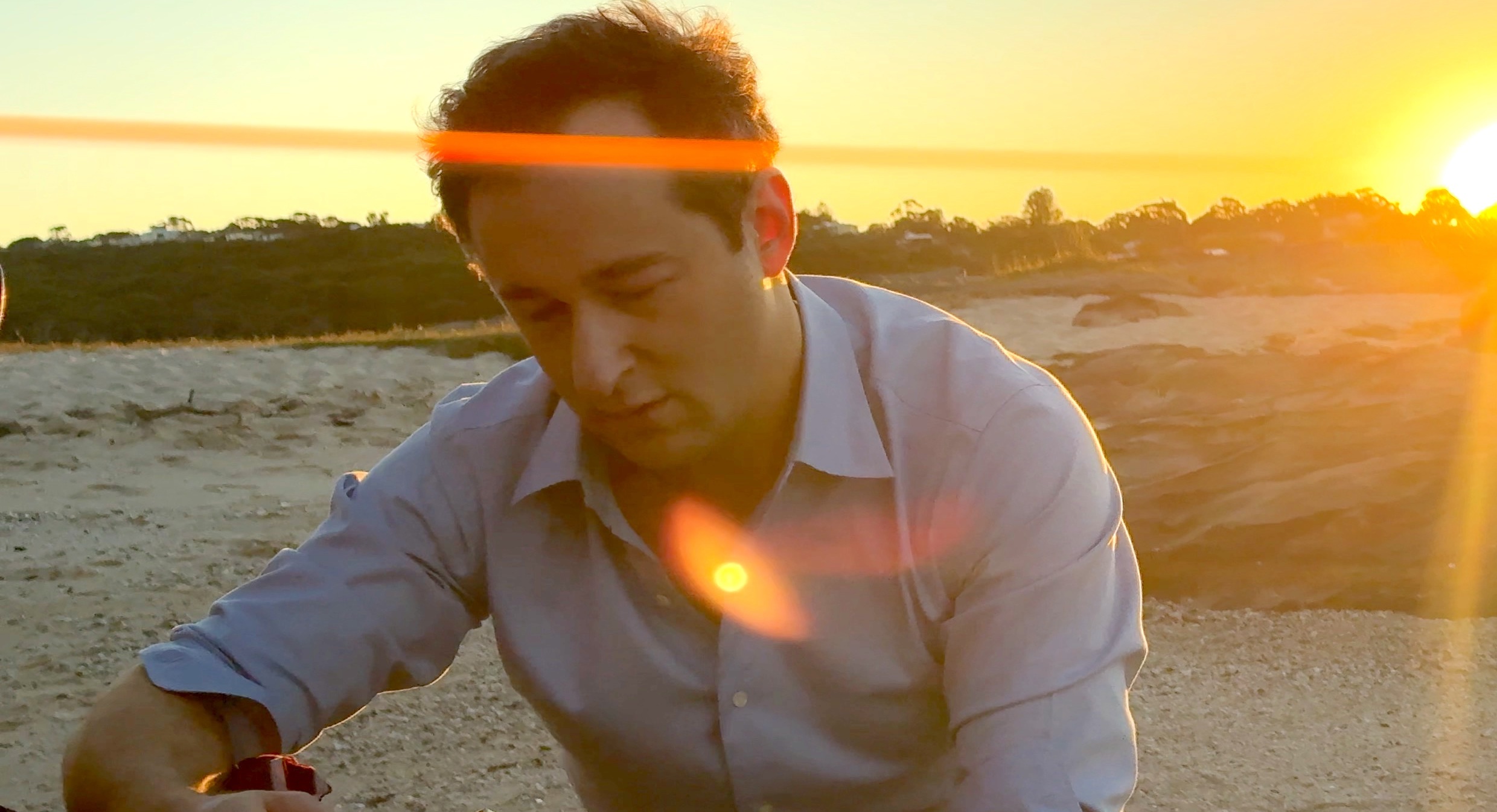
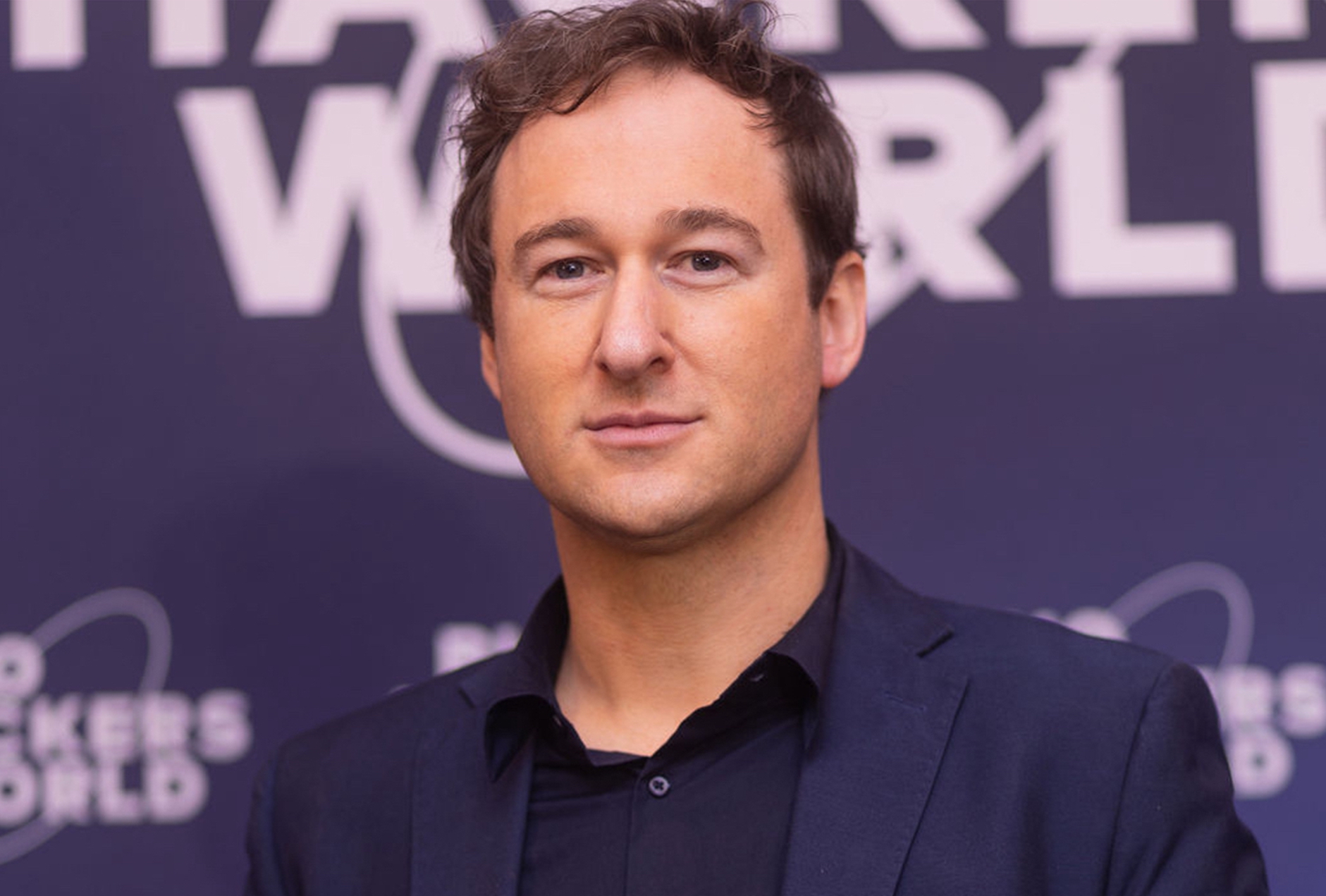
James Pratt, in Eyes of Salt, 2026
August Issue
Actor, Director, & Producer
Behind every film is a series of decisions the audience never sees. For James Pratt, those decisions have come from both sides of the camera. Now based in Los Angeles, the Australian actor, producer, and director has built a career that moves comfortably between narrative filmmaking and documentary. His recent work as executive producer on the documentary Longevity Hackers brought together voices including Edward Norton, Mark Cuban, Tony Robbins, Wim Hof, and Bryan Johnson.
This fall, audiences will also see him opposite Bernice Liu in Eyes of Salt, with additional roles in The 3 Killer Pigs and Waxman. Pratt’s work has earned international recognition, including Best Director at the 2022 Cannes Film Awards for Malibu Crush. He has also received Best Actor honors from the Los Angeles Film Awards, the Beyond Hollywood International Film Festival, and several other international festivals.
Before finding his place in film, he was a four-time Australian Auctioneer Champion and was recognized as one of Australia’s Top 5 Under 35 in Entertainment. For this month’s edition of The Salon, we sit down with James to reflect on the road that brought him from Australia to Hollywood, the people who shaped him along the way, and the work that continues to inspire him.
The Conversation
Christina: Before the film sets, the premieres, and Los Angeles, what kind of kid were you growing up in Australia?
James: Life in Australia was very different from life in Hollywood. As a kid, I’d spend all day surfing until it got dark, and I grew up surrounded by beautiful dogs and cats. It was a simple, outdoors lifestyle that I really cherish.
Christina: Was there a moment when you realized your life was about to take a different direction, or did your career unfold one opportunity at a time?
James: There were definitely moments where I felt the momentum building, but probably the biggest turning point was receiving my O-1 visa. That made everything feel real because I’d worked hard to reach that point, and it felt like the door to a new chapter had opened.
Christina: You were a four-time Australian Auctioneer Champion before stepping into entertainment. Looking back, what did that chapter teach you about confidence, resilience, and reading a room?
James: That was definitely a season of my life that was very good to me. Looking back, there were a lot of similarities between auctioneering and filmmaking. The training I did in acting school voice work, improvisation, and preparation was all reinforced through auctioneering. But the biggest lesson was on the business side. In Australia, auctioneering is very much a B2B profession, where you’re constantly building relationships with real estate offices. In many ways, it’s similar to working with film studios. You’re dealing with different personalities and egos, so learning how to communicate and navigate those business relationships has been invaluable.
Christina: As executive producer of Longevity Hackers, you spent time around people like Edward Norton, Mark Cuban, Tony Robbins, Wim Hof, and Bryan Johnson. What conversations or lessons from that documentary have stayed with you long after filming wrapped?
James: Probably the biggest takeaway was understanding how valuable time really is. I also came away with a greater appreciation for the difference between attention and talent. Talent stands the test of time, whereas fame fades the moment you stop chasing it or paying a publicist.
Christina: Audiences will soon see you opposite Bernice Liu in Eyes of Salt. What drew you to that story, and what do you hope viewers take away from it?
James: Eyes of Salt is an emotional drama that I’d describe as Lost in Translation by the sea. The cinematography is beautiful, but at the heart of the story is the idea that a genuine human connection is more powerful than any distraction. I hope audiences leave feeling that.
Christina: You also have The 3 Killer Pigs and Waxman releasing this year. Did either role challenge you in a way you didn’t expect?
James: Both acting roles were a lot of fun, and I genuinely enjoyed working with that studio. The 3 Killer Pigs was filmed in Los Angeles and on a ranch outside the city, while Waxman was mainly shot at the Capital Arts soundstage in Los Angeles. They were very different productions, but both were hugely rewarding.
Christina: Film sets are often remembered for the moments between “action” and “cut.” Is there a conversation, a person, or a day on set that you’ll carry with you for the rest of your life?
James: That’s a great question. There’s not one specific moment that stands out above all the others, but I think the locations where you work and the people leave a lasting imprint. Every set has its own energy, and those memories tend to stay with you.
Christina: Your work has been recognized by film festivals around the world, including the Cannes Film Awards. Has your definition of success changed since those early milestones?
James: I’ve been very fortunate, I would say at this stage it’s about continuing to improve and challenging myself.
Christina: Every career comes with moments of doubt. Was there a time you questioned whether to keep going, and what carried you through?
James: In the past when times have been challenging, I have reminded myself, “ This is the life I chose, I could have gone into a corporate or traditional industry but part of me would likely feel bored and stuck doing that as money isn’t what I’m chasing.
Christina: Success is easy for people to see. The sacrifices rarely are. What has this career asked of you that audiences may never know?
James: Hollywood is built on hard work. Social media often portrays it as red carpets, glamorous events, and exciting premieres, but the reality is that it’s a business. Most of the time you’re putting in long hours, and it’s an industry where people naturally make decisions based on what’s best for their own careers. You have to be prepared for that.
Christina: If you could sit down with the younger version of yourself the one just beginning to dream about this life, what would you tell him?
James: I’d tell him to enjoy the ride. Looking back, even the difficult times had a silver lining, and sometimes you only appreciate those moments with the benefit of hindsight.
Christina: Is there a filmmaker, actor, or producer who has quietly influenced the way you think about storytelling?
James: I’d point to directors like Kathryn Bigelow, and in comedy, the Farrelly brothers. Regardless of the genre, their stories always feel truthful, and their characters bring you along on the journey rather than simply telling you what’s happening.
Christina: Outside of the work, what does a day away from a film set look like for James Pratt?
James: I love getting away to go surfing or hiking. There’s a part of me that really enjoys stepping away from Los Angeles and the industry to recharge. Then come back refreshed and ready to get back to work.
Christina: When all is said and done, what do you hope people remember not about your career, but about the kind of person you were?
James: I hope people remember me as someone who was ambitious but also someone who built others up. Helping someone else achieve their own dream means a great deal to me, and I’d like that to be part of my legacy.
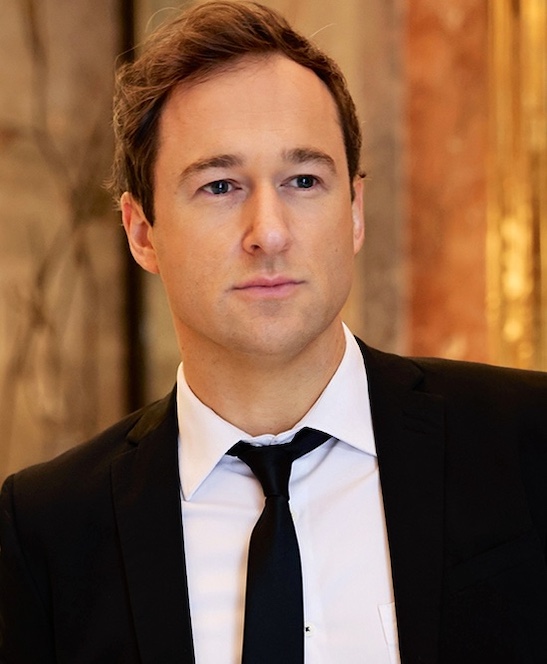
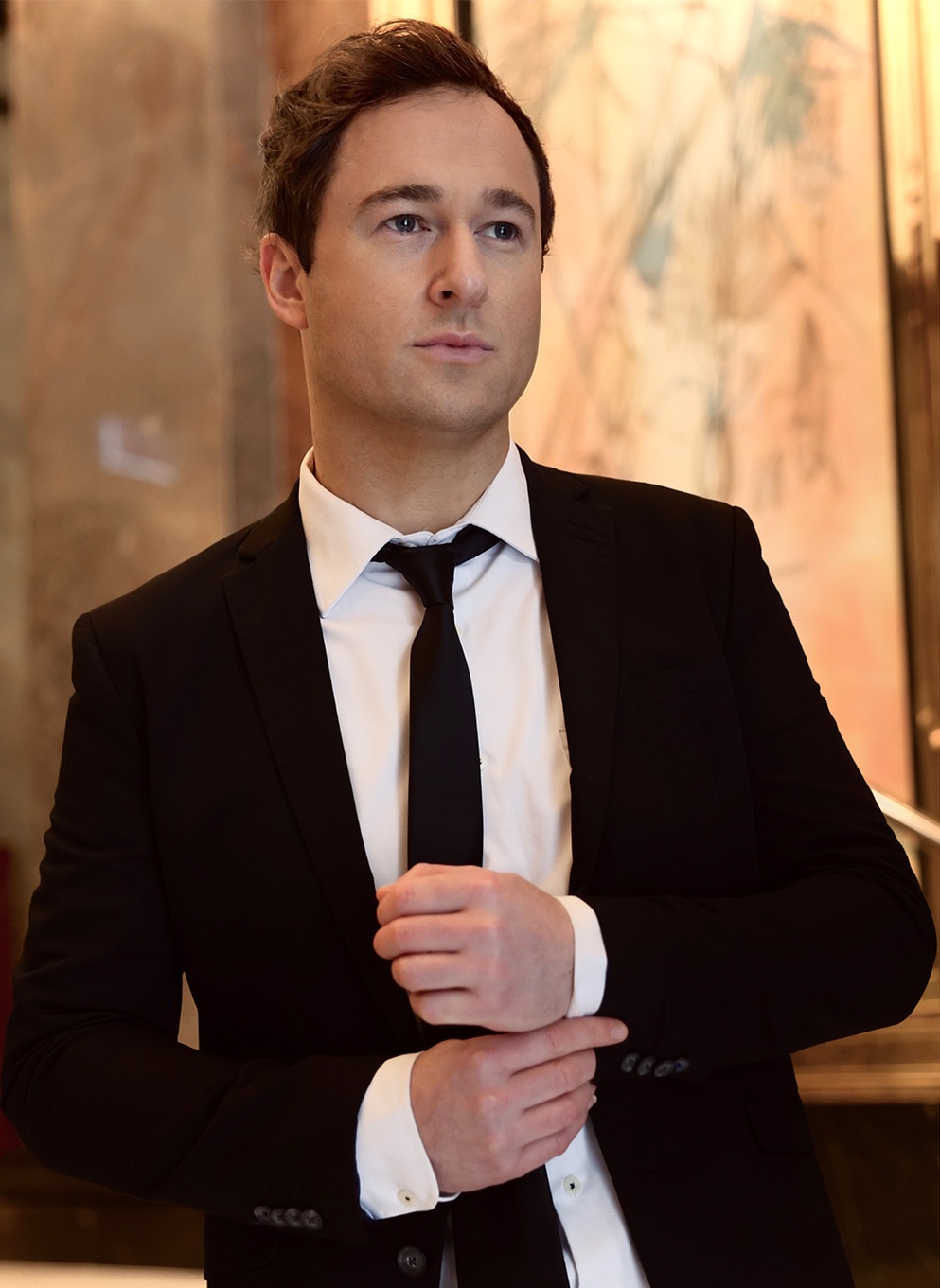
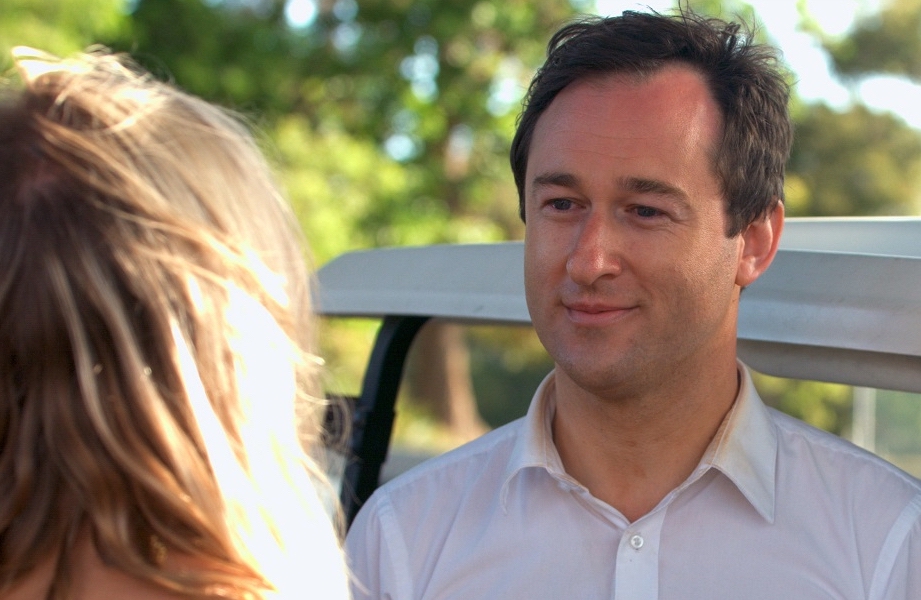
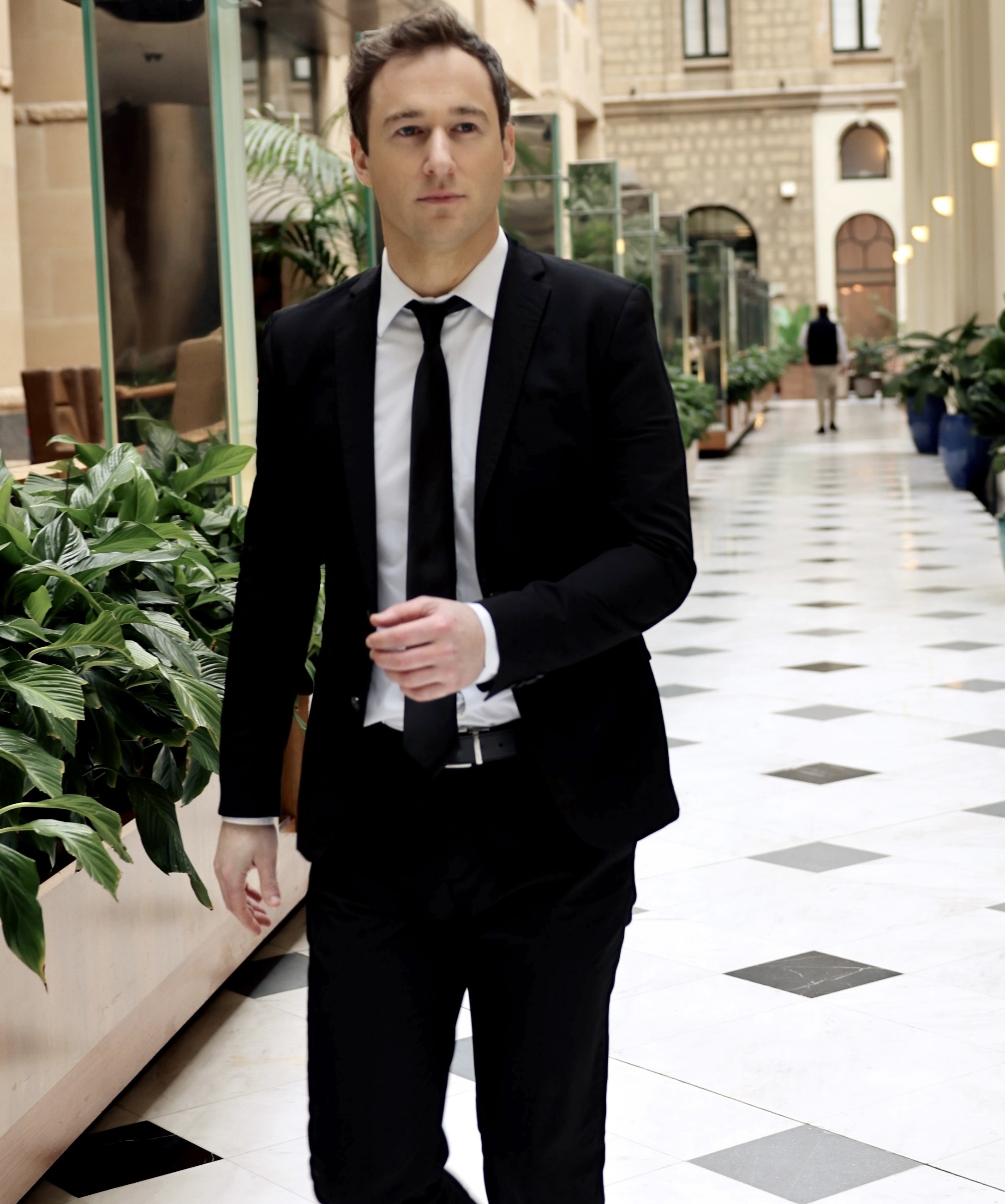
Scenes from James Pratt’s world: on set, on stage, and in the spotlight.


chicora Tours
Explore Charleston

Muses of Business: Chicora Tours
There are many ways to experience Charleston, but the best ones often come from someone who truly knows the city. For this edition of Muses of Business, Peninsula sat down with Nick Pasquinelli, Founder & Owner of Chicora Tours, a locally owned boutique tour company specializing in private, small-group, and custom experiences throughout Charleston and the Lowcountry.
From private tours to concierge-style trip planning, Chicora Tours helps guests experience Charleston through local knowledge, thoughtful recommendations, and a personal touch. We talked with Nick about his connection to Charleston, the story behind Chicora Tours, and what it means to create an experience that feels less like a tour and more like being welcomed by a local.
Peninsula: Before Chicora Tours, there was your own connection to Charleston. What first brought you here, and when did you realize this was a city where you wanted to build a life?
Nick: I first visited Charleston when I was 15 years old on a family vacation to Florida. We stopped in Charleston for a few days, and I was instantly enamored with the city. I had never experienced a place with such beauty, charm, and hospitality. From that day forward, I made it my life’s mission to return to Charleston.
Peninsula: When you founded Chicora Tours, what did you hope to create that felt different from the traditional tour experience?
Nick: When I founded Chicora Tours, I hoped to create an experience that would fully immerse guests in everything the city is and has been—the history, the culture, the food, and the stories. I wanted to show Charleston from my perspective, entertain our guests, accommodate their individual interests, and ensure that the city’s history is told honestly and accurately.
Peninsula: Private experiences allow you to connect with guests on a different level. How do you learn what someone is looking for and create an experience that feels personal to them?
Nick: Private experiences are the ultimate way to connect with guests. At Chicora Tours, we like to schedule a phone call before our guests arrive. This allows us to get to know them personally, understand what they want from their visit, and tailor every experience to their interests.
Because of our private tours, I am fortunate to say that I now have not only clients but genuine friendships with people from all over the world, including New Orleans, Australia, England, Israel, and New York. I’ve even had the opportunity to visit many of these friends in their hometowns years after first meeting them in Charleston.
Peninsula: Many people know Chicora Tours for private guided tours, but your work often begins before a guest ever arrives in Charleston. Walk us through what a client can expect when planning their visit with your team.
Nick: When a client plans a trip with Chicora Tours, we follow a step by step, systems-based approach to ensure their Charleston experience is exceptional. Before making any reservations, we always schedule a phone call with our guests. This gives us the opportunity to learn about their interests, travel goals, and the level of planning they are looking for.
Their experience could be as simple as a two hour private driving tour of Charleston in one of our luxury SUVs, or as comprehensive as arranging hotel accommodations, restaurant reservations, tours, and providing a private driver or guide for the duration of their stay. Chicora Tours is also fortunate to own a collection of historic Charleston artifacts that are typically only found in institutions such as the Charleston Museum or the Smithsonian. Sharing these pieces with our guests provides a more tangible, hands-on understanding of Charleston’s remarkable history.
Peninsula: Your concierge services extend beyond tours, including restaurant reservations, transportation, custom recommendations, and arranging experiences such as visits to Magnolia Plantation & Gardens and other Lowcountry destinations. How do you curate an itinerary that feels effortless while still reflecting each guest’s interests?
Nick: We offer a variety of itineraries that serve as the foundation for many of our tours and travel experiences, but no two guests are exactly alike. A few weeks ago, for example, we had a client who wanted to experience Charleston, Beaufort, and Savannah during one trip. While this was not a typical request, we created a custom itinerary that they thoroughly enjoyed. The difference between Chicora Tours and many other tour operators or travel agencies is that we are a locally owned, boutique company. We do everything possible to anticipate our guests’ needs and provide a highly personalized experience. Because of this approach, our clientele has included billionaires, CEOs, professional athletes, celebrities, and travelers from around the world.
Peninsula: Charleston has so many layers from its architecture and gardens to its history and neighborhoods. Are there stories or places you find yourself returning to because they continue to inspire you?
Nick: Charleston is filled with incredible places and unforgettable stories, but I always find myself returning to White Point Garden, formerly known as The Battery. It offers breathtaking waterfront views and beautiful historic homes, but more importantly, it is where the Charleston we know today truly began. Originally known as Oyster Point, it was where the city’s founders settled in the 1680s after relocating from Charles Towne Landing in present day West Ashley. This place is especially meaningful to me because, in many ways, the founding of Charleston marked the founding of South Carolina as we know it today. In the 1500s, Spanish explorers landed in what is now South Carolina, where Native peoples referred to the region as “Chicora,” meaning “Land of the Healing Breezes.” That name deeply resonated with me. Before moving to Charleston in 2016, I was at a very difficult point in my life. Charleston became a place of healing for me, just as its name once suggested. It is an honor to share a place that transformed my life with others.
Peninsula: As someone who spends so much time introducing visitors to Charleston, has the city changed the way you see your own home?
Nick: Owning Chicora Tours has completely changed the way I view my home. I have been fortunate to call Charleston home for nearly a decade, and the city has changed tremendously during that time. There has been significant growth and development, yet Charleston never ceases to amaze me.
I still find myself walking past historic homes, churches, parks, and landmarks with a sense of gratitude that I get to live here. There truly is nowhere else like Charleston. It is one of the most unique places in the world.
Peninsula: Hospitality is at the center of your work. Who or what shaped your understanding of what it means to truly take care of people?
Nick: I grew up in a household centered around hospitality. My parents owned a valet parking and garage management company that served Washington, D.C., Virginia, and Maryland. I began going to work with my father when I was just five years old and continued working in the family business until I moved to Charleston in my early twenties.
Before founding Chicora Tours, I also worked at several well-known Charleston businesses, including the Carolina Yacht Club, Hotel Bennett, and other local tour companies. Each of these experiences taught me valuable lessons and gave me a deeper appreciation for the hospitality and tourism industry.
Peninsula: After welcoming guests from around the world, what has Chicora Tours taught you about people and the way they experience a new place?
Nick: Owning Chicora Tours and working as a tour guide has taught me a great deal about people. Truthfully, I was a very introverted person growing up and was never especially outgoing. Operating this business has given me the confidence and ability to speak comfortably with anyone.
One of the greatest lessons I learned from a mentor in this industry is: “It’s not what you say to people; it’s how you say it.” I’ve found that this means guests are not simply buying history or stories—they’re also connecting with the person sharing them.
Guests want to hear about your own experiences in Charleston, your favorite local places, and your perspective on the city. Anyone can memorize a tour script, but genuine human connection is what separates a good tour guide from an exceptional one.
Peninsula: Every business owner has a moment that reminds them why they started. Has there been a guest, conversation, or experience that has stayed with you?
Nick: It may sound cliché, but Chicora Tours literally began with an idea written on a piece of paper. During my final semester of college, I took a class called Your Passion, Intention, and Purpose, where one of my final projects centered on creating a vision for my future. Around that same time, I had just started working nights as a ghost tour guide.
I always knew I wanted to own my own business and have a career where I could meet people and build relationships. A few years after that college assignment, Chicora Tours became a reality.
Peninsula: Charleston offers countless choices for dining, exploring, and experiencing the Lowcountry. When someone trusts your team to plan their visit, how do you decide what recommendations will make their trip feel special?
Nick: To provide our guests with an exceptional Charleston experience, we believe in clarifying as many details as possible before the trip even begins. Transparency is essential. We tailor every experience to our guests’ budgets, interests, favorite foods, musical tastes, and much more. This gives us a complete understanding of who they are and allows us to create an experience that feels thoughtfully curated just for them.
Peninsula: Running a boutique hospitality company means paying attention to details many people never see. What is one detail your team focuses on because you believe it changes the entire guest experience?
Nick: The two qualities Chicora Tours emphasizes most are accessibility and responsiveness. We are consistently praised for how quickly we respond to inquiries and booking requests. More importantly, once guests book with us, I want them to know they can reach me or my staff at any time—whether it’s 3:00 p.m. or 3:00 a.m.
If there is ever a question, concern, or unexpected issue, we want our guests to know we are there for them. We are a close-knit, family-run company, and our guests are the reason we are able to do what we love.
Peninsula: When someone leaves Charleston after experiencing the city through Chicora Tours, what do you hope they remember—not just about the places they visited, but about the feeling of their time here?
Nick: When someone leaves Charleston after experiencing the city with Chicora Tours, I hope they remember that their tour company made them feel like family. I want every guest to leave feeling that they not only experienced one of the most unique cities in the world, but also made a genuine friend along the way.
Southern hospitality is very real. Kindness, courtesy, integrity, and respect remain an important part of this culture. In a world where those values can sometimes feel scarce, I want people to know there are still places—and people—who live by them. Chicora Tours strives to be one of those examples.